NYC Grit: Brooklyn-Inspired Graphics for Authentic Apparel
There is a specific kind of energy that radiates from the streets of New York, particularly Brooklyn. It is a mix of industrial grit, artistic flair, and undeniable cool. If you are trying to capture that vibe for your apparel line or personal projects, generic stock graphics often fall flat. They lack the soul of the borough. You need design assets that feel lived-in, raw, and authentic. That is exactly where this collection steps in. We are looking at a set of creative illustrations and typographic designs tailored specifically for t-shirts, singlets, and hoodies, capturing the essence of the NYC street scene. This is not just about slapping a skyline on a chest; it is about embedding the attitude of Brooklyn into the fabric itself.
The Aesthetic of Urban Authenticity
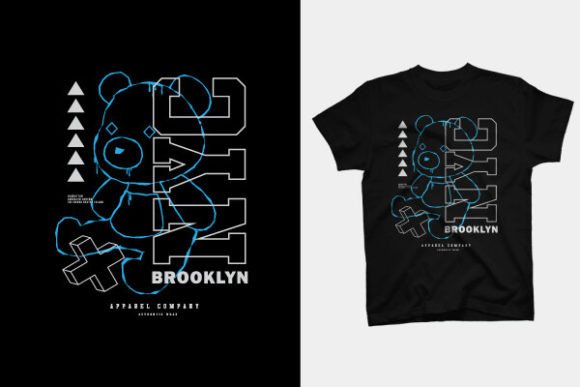
What makes a design feel like Brooklyn? It is rarely clean, sterile minimalism. Instead, it relies on texture, bold typography, and a sense of history. The visual language of this collection leans heavily into that urban aesthetic. You will find typographic designs that mimic the hand-painted signage of bodegas or the stencil art found on warehouse walls in Bushwick. The illustrations likely carry a raw edge—perhaps distressed textures or line work that feels hand-drawn rather than computer-generated.
For the designer or entrepreneur, this aesthetic is invaluable because it communicates "authenticity" immediately. In a market saturated with mass-produced, generic fast fashion, a design that looks like it came straight from a Williamsburg pop-up shop stands out. The typography isn't just readable; it has personality. It might mix gritty sans-serifs with vintage scripts, creating a visual tension that mirrors the city itself—old meets new, chaos meets order. When you are printing on cotton, this texture is your best friend. It adds depth to the garment, making the ink look like part of the clothing rather than a sticker pasted on top.
From Screen to Print: Why File Formats Matter
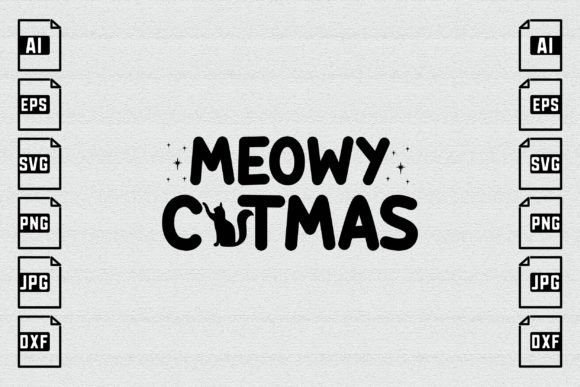
Having a great idea is one thing; executing it flawlessly is another. One of the biggest headaches in the print-on-demand and merchandise world is the translation of a digital file to a physical product. A low-resolution image looks pixelated and unprofessional on a hoodie. This is why the technical specifications of your design assets are critical. This collection includes AI and EPS10 vector files, which are the gold standard for scalability. You can blow a vector design up to fit the back of a truck or shrink it down for a chest pocket logo without losing a single pixel of quality.
However, the real game-changer for many creators is the inclusion of Transparent PNG files at 300dpi. If you are a small business owner or a hobbyist using software like Photoshop, Canva, or Procreate, PNGs are essential. The transparency means you don't have to spend hours manually cutting out the background. The 300dpi resolution ensures that when you send that file to a DTG (Direct to Garment) printer or a screen printer, the ink sits sharp and crisp. It removes the technical barrier, allowing you to focus on the placement and the merchandise itself—whether that is a vintage-wash tee or a heavyweight hoodie.
Practical Applications Beyond the Cotton Tee
While the primary focus here is apparel, the versatility of a strong "New York Brooklyn" graphic extends much further. If you are building a brand identity, consistency is key. You can utilize these typographic elements across your entire ecosystem to create a cohesive look.
Consider the following practical uses for these files:
- Social Media Branding: Use the gritty textures as backgrounds for Instagram stories or overlays for TikTok videos to maintain that urban aesthetic.
- Packaging Design: If you sell physical goods (like coffee, candles, or stickers), using these illustrations on your mailer boxes or tissue paper adds a layer of perceived value and "cool factor."
- Web Headers and Banners: A distressed typographic header on a website immediately sets a modern, edgy tone, perfect for streetwear blogs or photography portfolios.
- Event Invitations: Hosting a launch party or a pop-up? These designs translate perfectly to digital flyers and printed posters.
The goal is visual consistency. When your t-shirt design matches the vibe of your Instagram feed and your website header, you build brand recognition. Your audience starts to recognize your "look" instantly, even before they read the text.
Integrating Typography with Brand Identity
Typography is the voice of your brand. A sans-serif font might scream modern efficiency, while a handwritten script whispers intimacy and craftsmanship. The collection you choose needs to align with the story you are telling. If your brand is about the hustle and the grind of city life, the typography needs to feel bold and unapologetic. It should look good on a dark background—think black hoodies with white ink, a classic staple of streetwear.
When selecting which specific design to use, test the pairing. Does the illustration overpower the text? Is the hierarchy clear? In the world of t-shirt design, the "graphic" is usually the hero, but the text provides the context. For example, a generic drawing of a bridge is just a souvenir; a drawing of a bridge paired with a specific, stylized typographic treatment becomes a statement piece. These files allow you to mix and match, giving you the flexibility to create variations for your shop without starting from scratch every time.
The Business Case for Premium Design Assets
For the entrepreneur, time is money. Spending hours trying to create a "Brooklyn vibe" from scratch using free, low-quality assets often results in a design that looks amateurish. Customers can spot a cheap design a mile away, and it devalues your product. Using premium, pre-crafted creative illustrations and typographic designs is a strategic move. It allows you to compete with established brands that have in-house design teams.
Moreover, understanding your licensing is crucial. When you acquire assets intended for merchandise, you are investing in the right to commercialize that art. This removes the legal grey areas that can plague small business owners later down the line. You can print these designs on your singlets and hoodies, sell them at a markup, and build a sustainable revenue stream, all while maintaining the high-quality visual standard your customers expect. It is about working smarter, leveraging professional assets to elevate your product line from "homemade" to "boutique."
Ultimately, the "New York Brooklyn" aesthetic is more than just a location; it is a mood. It is about capturing the resilience and the style of the city. By utilizing these high-quality vector and PNG assets, you are not just making clothes; you are crafting a narrative. You are giving your customers a piece of that urban energy to wear on their sleeves, literally. Whether you are a seasoned designer looking to speed up your workflow or a budding entrepreneur launching your first drop, having the right visual tools makes all the difference between blending in and standing out.