Unleashing the Wild: Design Potential with Jungle Tiger Art
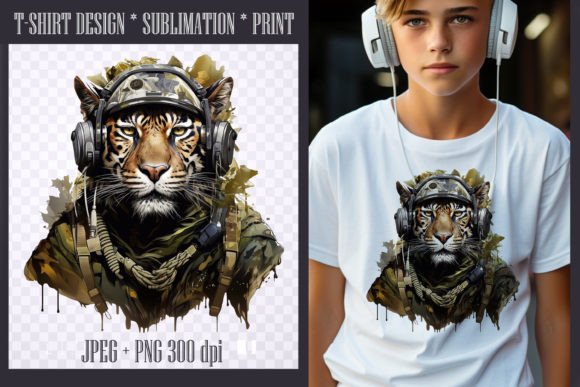
There is an immediate, visceral reaction when you see a tiger rendered with high-quality artistry. It isn't just a picture of an animal; it is a symbol of power, agility, and the untamed spirit of nature. For designers, entrepreneurs, and creators, finding a visual asset that carries this much weight without needing a thousand words of explanation is a rare find. That is exactly why the Tiger in the Jungle Sublimation Design has become such a sought-after asset in the creative community. It is more than just a digital file; it is a versatile tool capable of transforming a mundane product into a statement piece. Whether you are looking to refresh a clothing line, create striking marketing materials, or simply explore new artistic avenues, understanding how to maximize this specific aesthetic is key to standing out in a crowded market.
The Aesthetic Appeal of the Untamed
What makes this specific design visually captivating? It comes down to the interplay between the subject and its environment. A tiger isolated on a white background is powerful, but a tiger situated within a lush jungle setting tells a story. The dense foliage, the play of light and shadow on the leaves, and the piercing eyes of the predator create a scene of depth and intrigue. This isn't just a flat graphic; it is an immersive experience.
For those working in visual communication, the "Tiger in the Jungle" aesthetic offers a rich color palette typically dominated by deep greens, vibrant oranges, stark blacks, and earthy browns. This combination is naturally pleasing to the eye and offers high contrast, which is crucial for visibility on everything from a smartphone screen to a large format banner. When you purchase a premium font or a high-end graphic, you are paying for that complexity—the layering of elements that makes the final product look professional rather than amateurish. This design achieves that by balancing the ferocity of the animal with the serenity of its natural habitat.
From Digital File to Physical Product
The true value of a sublimation design lies in its adaptability. You aren't just buying an image; you are buying a license to create. The provided assets—a 1 transparent PNG (3600x 3600px) and a 1 high quality JPG (3600x3600px, 300 dpi)—are engineered for maximum utility. The transparency of the PNG allows you to layer the tiger over different backgrounds, making it perfect for complex compositions, while the high-resolution JPG ensures that print quality remains crisp even at large scales.
Let’s look at how this translates into real-world applications for different types of creators:
- Apparel and Merchandise: This is the bread and butter of sublimation. The design is perfect for allover print t-shirts, hoodies, and leggings. The high resolution ensures that the intricate details of the fur and jungle leaves don't pixelate when stretched across a t-shirt design or a pillowcase. It creates a bold fashion statement that appeals to streetwear enthusiasts and nature lovers alike.
- Home Decor: Think beyond the t-shirt. This design works beautifully for throw pillows, tapestries, or even custom shower curtains. It brings a touch of the wild into a living space, acting as a focal point for room decor. Imagine a set of coasters or a mousepad featuring a close-up crop of the tiger's face; it transforms a mundane office item into a piece of art.
- Paper Goods and Stationery: For the scrapbooker or stationery designer, this image offers a dramatic background for journal covers, greeting cards, or planner inserts. The 300 DPI quality is essential here, ensuring that text printed over the image remains legible and the ink doesn't bleed into a muddy mess.
Strategic Branding and Marketing
If you are a small business owner or a marketing professional, you know that imagery drives engagement. Generic stock photos often fail to capture the essence of a bold brand. If your brand identity revolves around strength, resilience, or luxury, the tiger is a perfect mascot. Using this sublimation design in your brand identity materials—such as social media headers, website banners, or email marketing templates—can instantly elevate your perceived value.
Consider the psychology of your audience. A law firm might use a tiger to symbolize fierce advocacy. A fitness brand might use it to represent peak physical performance. A tech startup might use it to suggest agility in a fast-moving market. By incorporating this design into your packaging design, you create an unboxing experience that feels premium. A sticker seal with the tiger design on a cardboard box adds a layer of excitement before the customer even sees the product inside.
Furthermore, in the realm of social media graphics, stopping the scroll is the ultimate goal. A vibrant, high-contrast image of a tiger emerging from the jungle is far more likely to catch the eye than a muted pastel pattern. It works exceptionally well for Instagram posts, YouTube thumbnails, or Facebook cover photos, providing a consistent and recognizable visual thread across all your platforms.
Technical Considerations for Flawless Execution
Even the best design can be ruined by poor technical execution. When working with high-resolution assets like the Tiger in the Jungle Sublimation Design, there are a few practical considerations to keep in mind to ensure your final product looks as good as the source file.
First, color management is critical. The RGB color mode is standard for digital screens, but if you are sending this to a professional printer for offset or digital printing, you may need to convert it to CMYK. Be aware that some of the vibrant greens and deep oranges in the jungle setting might shift slightly during this conversion. Always request a proof if possible. Second, consider the medium. Sublimation ink interacts differently with polyester fabrics than it does with ceramic mugs or metal panels. The saturation might vary, so doing a test print on a small swatch is a wise investment of time and resources.
Finally, think about cropping and composition. Because you have a transparent PNG, you have the freedom to isolate specific elements. You don't have to use the whole scene for every project. For a business card, you might just use the tiger's eyes peering through a single leaf. For a poster, you might use the full panoramic view. This flexibility allows you to maintain a cohesive look across different assets—using the same source material for a tiny favicon on your website and a massive trade show banner—without it feeling repetitive.
Unlocking Creative Potential Across Niches
The versatility of this design extends into niches you might not have considered. For the tattoo artist, this image serves as a stunning reference point or flash art, offering clients a detailed preview of how ink might look on skin. For content creators in the gaming or streaming space, the tiger aesthetic can be used to create overlays, emotes, or stream alerts that convey a sense of dominance and skill.
Even in editorial design, such as magazine covers or blog post headers, the "Tiger in the Jungle" theme can be used to illustrate articles about environmental conservation, mental toughness, or exotic travel. It sets a mood instantly. When paired with the right typeface—perhaps a bold, industrial sans-serif for a modern look or a classic serif for a more editorial feel—the design creates a complete narrative.
Ultimately, the goal of any design asset is to save you time while improving the quality of your output. By having a go-to, high-quality illustration like this in your library, you eliminate the hours spent searching for the right image or the frustration of trying to composite multiple low-quality elements. It is a foundational piece that supports your creativity, allowing you to focus on the message you want to convey rather than getting bogged down in the mechanics of production.