Y2K Element Shape Design: The Digital Nostalgia Fueling Modern Streetwear
There is a specific electricity in the air when the early 2000s aesthetic meets the grit of modern streetwear. It is a visual language defined by chrome textures, bloated typography, abstract geometric forms, and a digital optimism that feels both retro and futuristic. For designers and entrepreneurs, tapping into this "Y2k Element Shape Design" is not just about following a trend; it is about capturing a cultural moment that resonates deeply with Gen Z and Millennials alike. Whether you are launching a custom printed clothing line, creating a new brand identity, or designing digital merchandise, these vector-based shapes offer a versatile toolkit for standing out in a saturated market.
The Anatomy of the Y2K Aesthetic
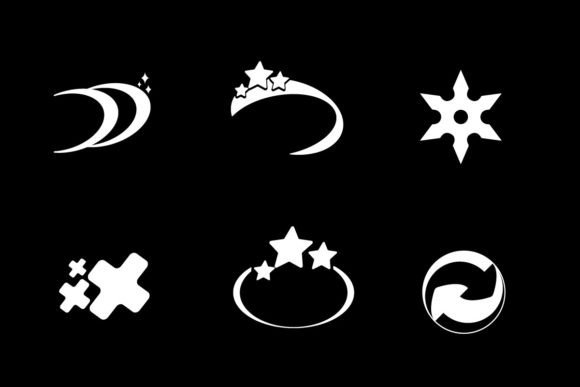
Understanding the power of this specific design style requires looking beyond the surface. The Y2k Element Shape Design collection is built on the principles of "tech-optimism" and maximalism. Unlike the flat, minimalist design that dominated the 2010s, this aesthetic embraces depth, gloss, and complex layering. You will find elements that mimic liquid metal, inflated 3D shapes, and sharp, digital spikes that feel ripped from a vintage video game interface or a 1999 cyber-cafe screensaver.
What makes this visually appealing is the inherent energy. These designs command attention. When applied to a streetwear t-shirt or a social media graphic, they do not just sit there; they vibrate with movement. The collection provides you with raw material—high-quality vectors—that capture this chaotic yet organized energy. Because these are 100% vector source files, you are not locked into static imagery. You have the freedom to manipulate the curves, adjust the anchor points, and morph these shapes to fit the exact contour of your project, ensuring that your final product feels bespoke rather than generic.
Bridging Retro Graphics with Modern Branding
For the entrepreneur building a brand identity, consistency is everything. However, consistency does not mean boring. The challenge is finding a visual language that is recognizable across different mediums—from a website header to a hang-tag on a hoodie. This is where the versatility of these assets shines.
Consider the packaging design for a new streetwear drop. You could use a singular abstract element from the collection as a repeating pattern on tissue paper, or scale it up to dominate the back of a bomber jacket. Because the files are available in scalable vector formats (EPS), you can enlarge these shapes to billboard size or shrink them down for a favicon without losing a single pixel of quality. This scalability is crucial for maintaining a professional presentation. It ensures that whether your customer is viewing your brand on a mobile Instagram feed or holding a physical poster in their hands, the visual integrity remains intact.
Practical Application: From Screen to Print
The gap between a digital design file and a physical product is often where quality gets lost. A common frustration for small business owners is purchasing a design online only to find that the resolution is too low for high-quality sublimation printing. This collection addresses that pain point directly by providing high-resolution JPGs and editable vector sources.
When you are preparing files for custom printed clothing, specifically sublimation, you need sharp edges and vibrant color separation. The "Streetwear T-shirt Designs" included in this package are optimized for this. You can easily open the vector files in software like Adobe Illustrator or Affinity Designer to recolor elements to match your brand’s specific hex codes. Perhaps you want to swap a neon green for a pastel pink to fit a seasonal collection; with editable vectors, this takes seconds, not hours. This flexibility allows you to create "new" collections from existing assets, extending the lifecycle of your design investment.
Typography Pairing and Visual Hierarchy
While the shape elements are the stars of the show, they rarely work alone. In editorial design or web design, these shapes serve as powerful accents to typography. The Y2K aesthetic often pairs well with specific font styles—think futuristic sans-serifs with wide kerning, or gritty, distorted display fonts.
When incorporating these shapes into your layout, pay attention to visual hierarchy. If you are using a complex, chrome-like Y2K element as a background for a t-shirt graphic, your foreground text needs to be legible. This might mean using a bold, clean sans-serif font with a solid drop shadow or an outline to ensure it pops against the intricate details of the shape. Alternatively, you can use the shapes to frame your typography, creating a border or a vignette that guides the viewer's eye inward. The goal is to balance the "busy" nature of the design with enough negative space to keep the message readable.
Expanding Your Merchandise Ecosystem
The utility of a robust design asset library extends far beyond just t-shirts. For content creators and marketers, these elements are a goldmine for digital products and marketing assets. Imagine using a distorted Y2K shape as a unique frame for a podcast cover art, or animating a vector shape in After Effects to create a looping background for a Twitch stream.
Furthermore, the "streetwear" vibe is no longer confined to clothing. It has infiltrated the world of stationery, tech accessories, and home decor. By utilizing the EPS files, you can easily adapt these designs for:
- Stickers and Decals: Perfect for laptop skins or planner accessories.
- Phone Cases: The abstract nature of the shapes allows for all-over print designs.
- Editorial Layouts: Use the shapes as section dividers or pull-quote backgrounds in magazines or lookbooks.
- Invitations and Flyers: For events, album launches, or pop-up shops, these graphics set an immediate tone of cool.
The ability to add and remove elements means you can create dozens of unique variations from a single file, ensuring that your merchandise line feels cohesive yet diverse.
Streamlining Your Creative Workflow
Time is the most valuable resource for any creative professional. The workflow advantages of having organized, high-quality design assets cannot be overstated. Instead of spending hours trying to recreate a complex chrome effect or a liquid gradient from scratch, you start with a professional-grade foundation.
The fact that these files are compressed in a ZIP format makes them easy to store and organize. Once extracted, the separation of vector sources and high-resolution JPGs allows you to choose the right tool for the job. Need a quick mockup for a client presentation? Use the JPG. Need to finalize the production files for the factory? Use the vector. This dual-format approach streamlines the approval process and reduces the back-and-forth often associated with custom design work.
Final Thoughts on Commercial Viability
Adopting the Y2k Element Shape Design is more than just an aesthetic choice; it is a strategic business decision. It aligns your brand with a massive cultural resurgence while providing the technical flexibility required for modern commerce. Whether you are a hobbyist printing your first batch of tees in your garage or a marketing professional refreshing a brand's social media presence, these assets provide the bridge between imagination and production.
By focusing on editability, scalability, and high-resolution output, you equip yourself to produce work that looks professional and resonates with a design-savvy audience. The early 2000s are back, and with the right vector toolkit, you are perfectly positioned to lead the charge.